
New equipment · 15 January 2026
Mecco Expands In-Clinic Diagnostic Laboratory
Faster blood results mean faster treatment — often during the same visit.
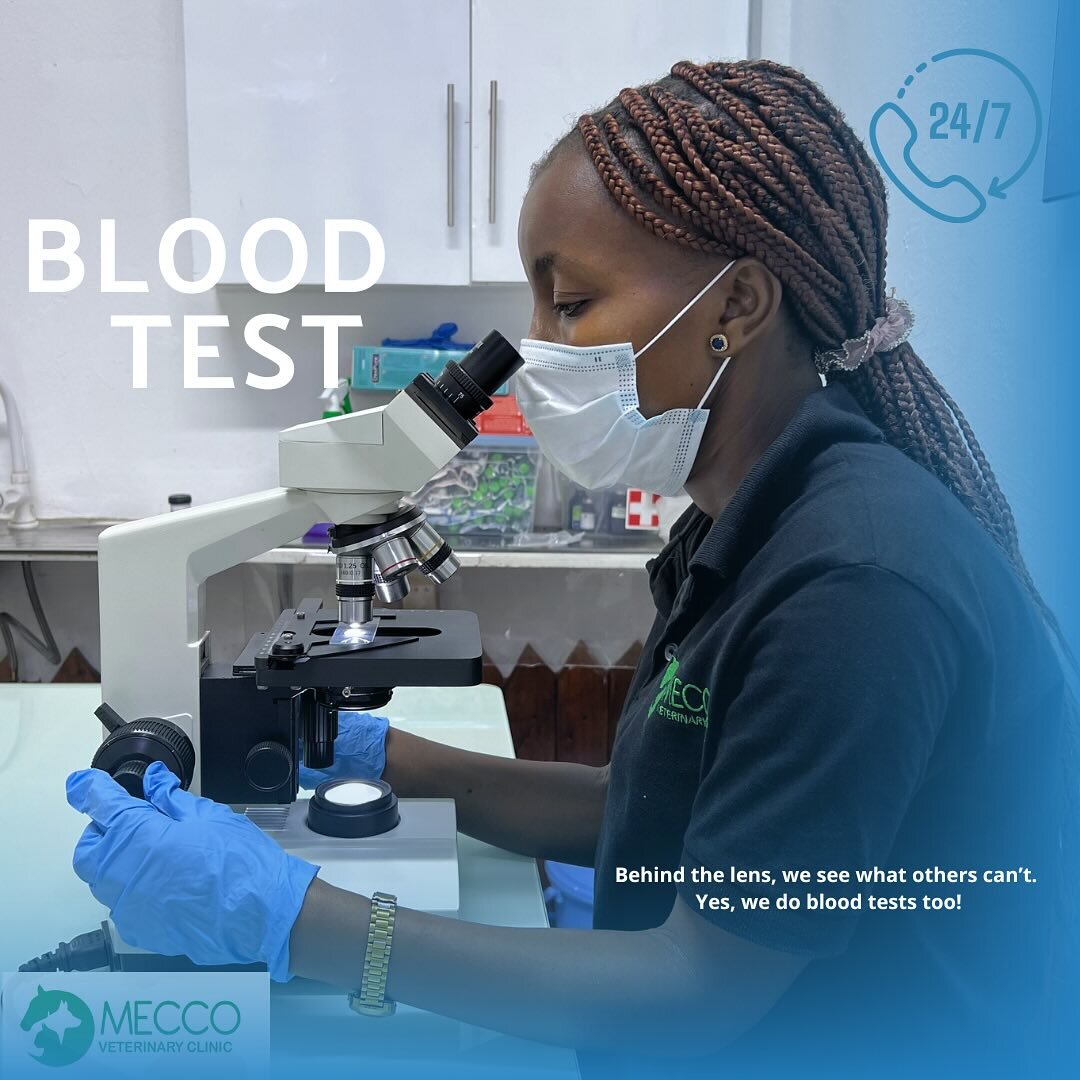
Better answers, sooner
We are delighted to share a significant expansion of the in-clinic laboratory at Mecco. Over recent months we have upgraded our bench equipment, broadened the range of tests we can run and refined the way samples travel from the consulting room to the analyser and back to you with an answer. The result is a laboratory that now handles a much wider set of blood counts and blood chemistry profiles on site.
For a clinic, the laboratory is where uncertainty begins to clear. A pet who is quiet, off their food or simply not themselves can be carrying any number of conditions — some mild, some serious, and several that look almost identical from the outside. Being able to measure what is happening inside the body, rather than infer it from what we can see and feel, changes the quality of every decision that follows.
Why speed matters
Timing is everything in veterinary medicine. An animal who is unwell cannot tell us where it hurts, and they cannot wait comfortably for days while samples are sent away. When test results come back during the same visit, we can begin the right treatment straight away, adjust it if needed and, just as importantly, avoid giving the wrong treatment while we wait.
In an emergency — a suspected poisoning, a collapsed patient, a pet with severe vomiting or diarrhoea — a same-visit result can be the difference that counts. For patients living with long-term conditions such as kidney or liver disease, being able to repeat tests quickly means we can see whether a treatment is working and change course early if it is not.
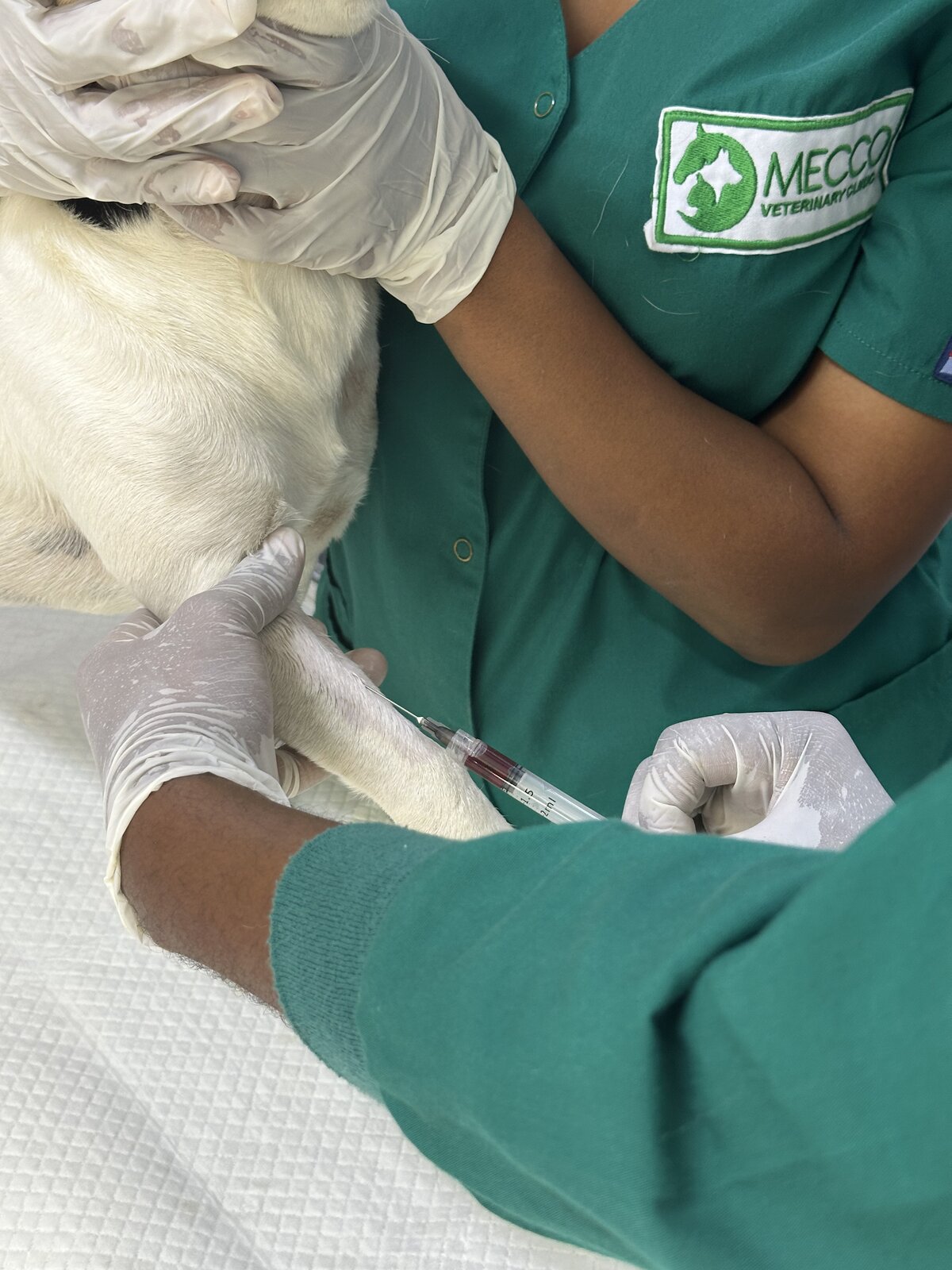
Tests available on site
Many of the investigations we use most often can now be completed here at the clinic:
- Complete blood count, assessing red cells, white cells and platelets
- Blood chemistry profiles for liver, kidney, glucose and protein values
- Parasite screening, including tick-borne disease testing
- Urinalysis and faecal examination
- Skin and ear cytology and basic microscopy
- Other clinical tests as indicated by the examination
What a laboratory visit looks like
The examination
Everything begins with a consultation. The veterinarian examines your pet and decides which tests will genuinely help, rather than ordering a fixed panel out of habit.
The sample
Most tests begin with a small blood sample, taken gently and quickly. Where urine or a faecal sample is needed, we explain how to collect it at home or collect it here.
Running the test
Many samples are processed on site while you wait. Others are prepared carefully and, where necessary, sent to trusted external laboratories with a clear turnaround time.
The result and the plan
We sit down with you to explain what the numbers mean in plain language, and what they change about your pet’s care. If no further action is needed, we will say so honestly.
What it means for you
For clients, the practical difference is fewer visits, less uncertainty and treatment plans built on evidence rather than assumption. You will not be sent home with a vague diagnosis and a hopeful prescription when a clear answer is within reach.
We are proud of this step, but we are not finished. We will keep improving our diagnostic capacity as the clinic grows, because the better we understand a patient, the kinder and more effective our care becomes. If you have questions about what is available, please ask at your next visit — we are always glad to explain.
From the clinic
More news
Community Rabies Vaccination Campaign
A reminder of why protecting dogs protects families and neighbourhoods.
Teaching Responsible Pet Ownership in Schools
Compassion for animals starts young — and education is the best prevention.
Enhanced Anaesthesia Monitoring During Surgery
Closer monitoring means safer anaesthesia for every procedure.
Kunduchi Road, Dar es Salaam
Book a visit with Mecco.
Request a time online and we will confirm it by phone, or call if your pet needs to be seen today.